Insulation Service offers full range of Insulation services for all household & industry
Agricultural Spray Foam Insulation
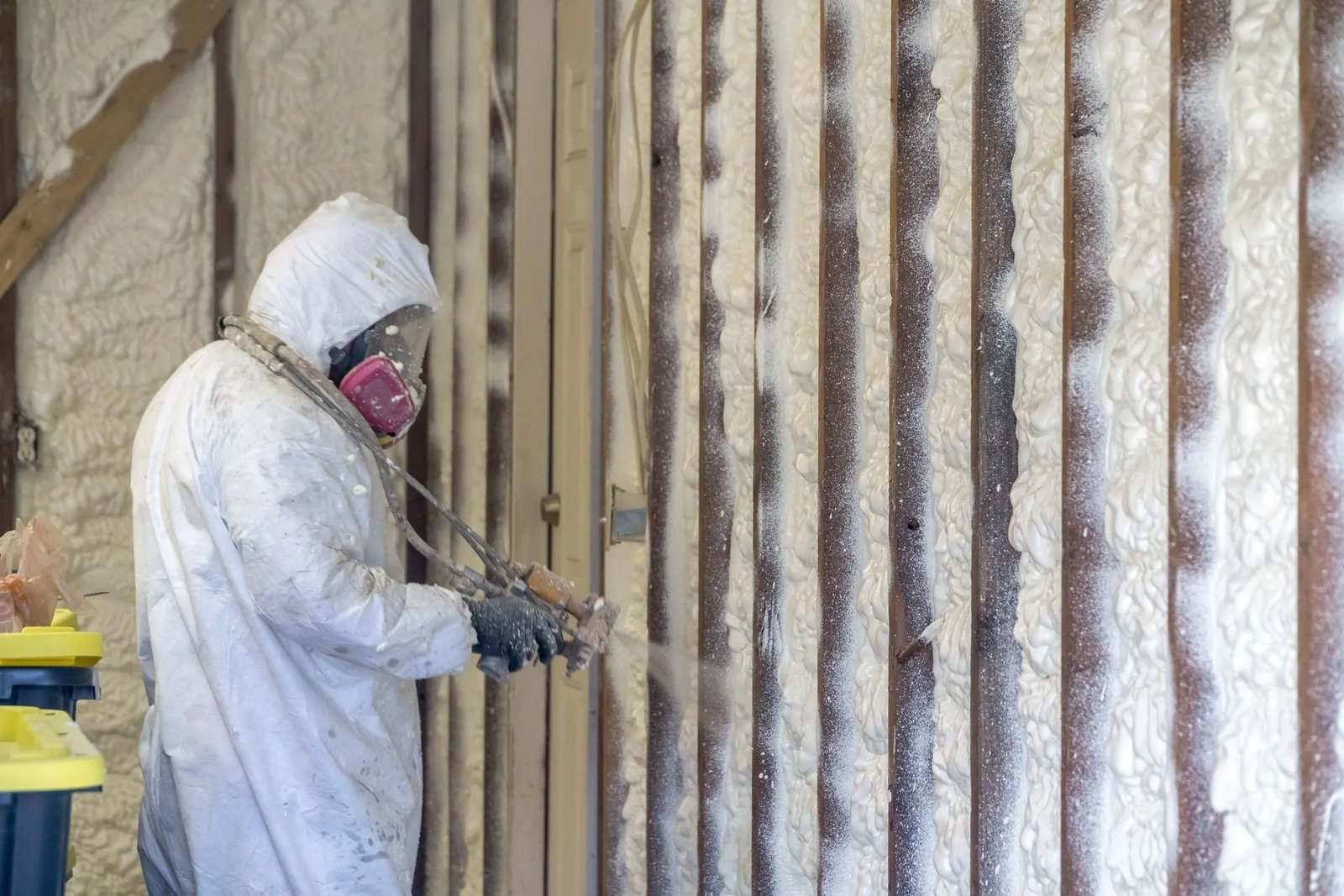
Agricultural spray foam insulation is an effective and long-lasting solution for improving energy efficiency, durability, and comfort in farm buildings. From barns and poultry houses to grain storage facilities and equipment sheds, spray foam insulation helps protect agricultural structures from extreme temperatures, moisture, and air leaks while reducing energy costs.
Protect your barns, storage buildings, and livestock facilities with high-performance agricultural spray foam insulation. Our solutions help regulate temperature, reduce energy costs, and prevent moisture buildup—creating a more efficient and durable environment for your operation.
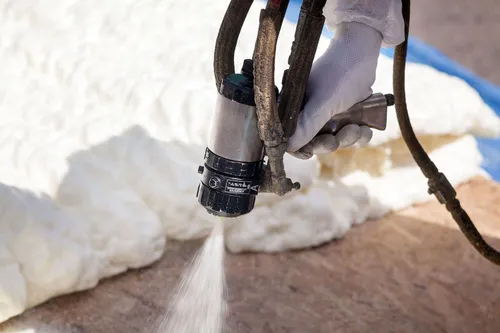
One of the biggest advantages of spray foam insulation is its excellent thermal performance. Unlike traditional insulation materials, spray foam expands on application, sealing gaps, cracks, and hard-to-reach areas. This creates an airtight barrier that prevents heat loss in winter and heat gain in summer. As a result, farm owners can maintain more stable indoor temperatures, which is especially important for livestock health, crop storage, and equipment protection.
Spray foam insulation also provides strong moisture control, a critical factor in agricultural environments. Moisture buildup can lead to mold growth, corrosion, and structural damage. Closed-cell spray foam acts as a moisture barrier, helping to reduce condensation and protect metal buildings from rust. This makes it an ideal choice for barns, dairies, and storage buildings exposed to high humidity.
Another key benefit is improved air quality and pest resistance. By sealing small openings, spray foam insulation helps block dust, allergens, and outdoor pollutants from entering the building. It also limits access points for rodents and insects, reducing pest-related damage and contamination risks.
Durability is another reason spray foam insulation is well-suited for agricultural use. Once applied, it adheres strongly to surfaces such as metal, wood, and concrete, and it does not sag or settle over time. This means less maintenance and long-term performance that can last for decades.
In addition to functional benefits, spray foam insulation can contribute to energy savings and sustainability. Lower heating and cooling demands reduce fuel and electricity usage, helping farmers cut operational costs and minimize environmental impact.